
When homeowners think about achieving a lush, green lawn, they often focus on mowing, watering, and fertilizing. And while those are important, there’s a hidden factor beneath the surface that affects everything from color to thickness to long-term resilience: soil pH for lawns.
At Local Roots Lawn Maintenance, we’ve seen countless lawns struggle, not because the homeowner isn’t trying, but because the soil chemistry is working against them. Even the best fertilizers and watering schedules won’t produce results if the pH is out of balance. That’s why understanding soil pH is one of the most valuable steps you can take toward building strong, vibrant turf in Georgetown, TX.
In this guide, we’re breaking down what soil pH really is, how it impacts lawn nutrients, and why regular soil testing is essential for healthy turf growth.
What Exactly Is Soil pH?
Soil pH measures how acidic or alkaline your soil is on a scale from 0 to 14:
- Below 7 = acidic
- 7 = neutral
- Above 7 = alkaline
Most grass types thrive in a slightly acidic environment, typically between 6.2 and 6.8. When soil falls outside this range, it becomes difficult for the lawn to absorb essential nutrients, even if those nutrients are present in the soil or added through fertilizer.
Think of soil pH like a gate. When the gate is open, nutrients pass freely to the roots. When the gate is closed, the grass simply can’t access what it needs. That’s why soil pH for lawns plays such a foundational role in turf health.
Why Soil pH Matters More Than You Think
Many homeowners are surprised to learn just how much of their lawn’s performance depends on pH balance. When pH levels are off, grass experiences stress—even if everything looks fine on the surface at first. Over time, the lawn becomes thin, patchy, and discolored.
Here are the main ways soil pH impacts your lawn:
1. Nutrient Absorption
Your lawn won't get any better, even if you use the best fertilizer, if the soil pH doesn't let those nutrients get into the grass. pH levels have an effect on iron, nitrogen, phosphorus, potassium, and other important nutrients. If the soil is too acidic or too alkaline, important nutrients for the lawn will be "locked out," leaving the grass weak and hungry.
2. Root Development
Healthy roots depend on the right chemical environment. When pH is off balance, root systems grow shallow and fragile, making the lawn more susceptible to drought, heat stress, and foot traffic.
3. Microbial Activity
Soil is home to beneficial microorganisms that support decomposition, nutrient cycling, and the overall structure of the soil. These organisms thrive only within certain pH ranges. If your pH is too low or too high, soil biology suffers, and turf health declines.
4. Weed and Disease Vulnerability
Weeds and disease can get in through weak, nutrient-poor grass. An unbalanced pH doesn't just slow growth; it also makes it easier for the wrong kinds of plants to take over.
That's why the pH of the soil in your lawn is so important. It's not just another thing to do on your lawn care list. It's what everything else is built on.
Signs Your Soil pH May Be Off
Most homeowners don't notice problems with the pH of their soil until they see signs of it all over the lawn.
Here are some common red flags:
- Persistent yellowing of grass
- Slow or stunted growth
- Bare spots or thin turf
- Fertilizer doesn’t seem to work
- Excess weeds, even with weed control
- Moss growth in shady areas
- Poor drought resistance
If any of these sound familiar, soil testing is the best next step to confirm whether pH imbalance is the root cause.
The Importance of Soil Testing
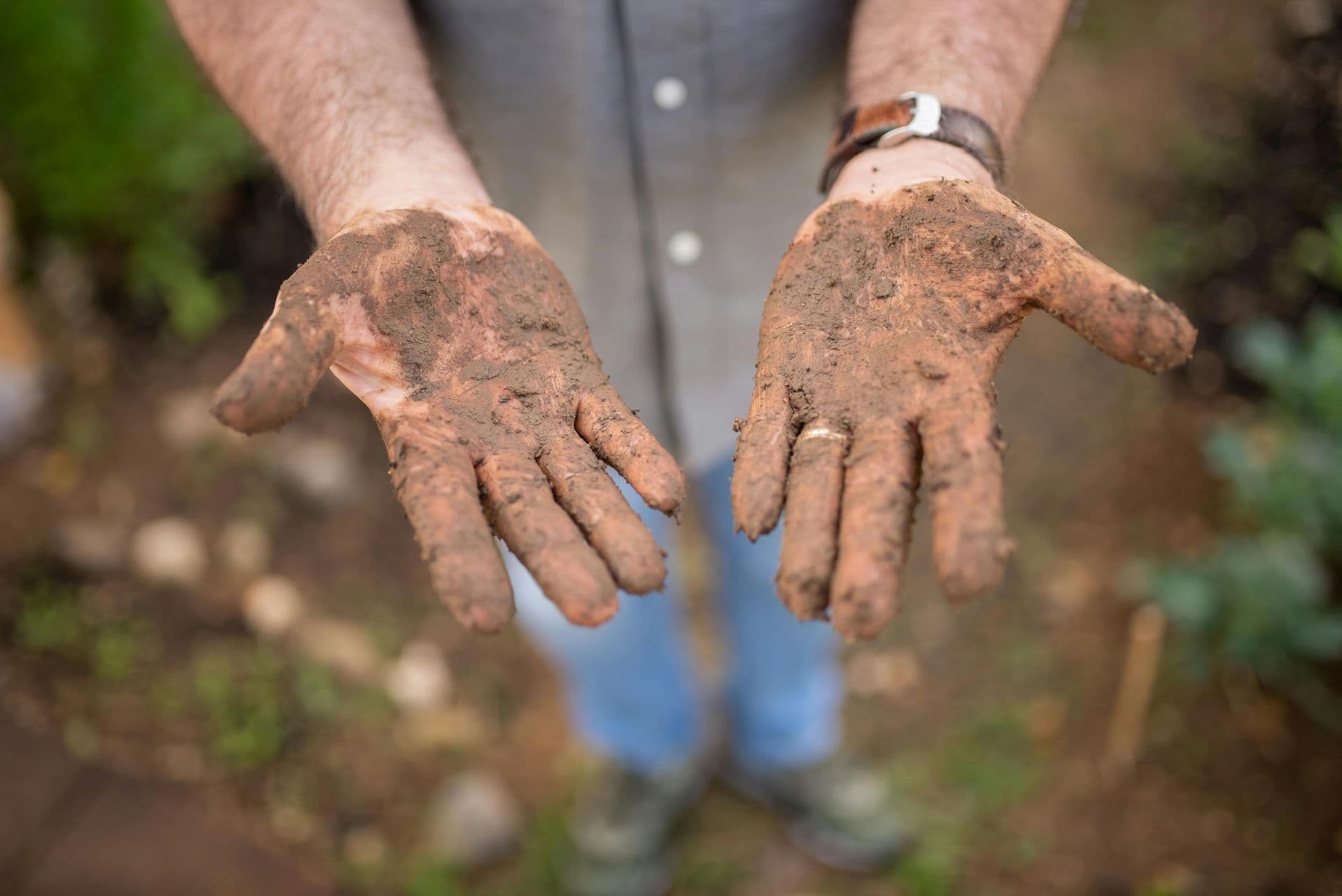
Soil testing is the only sure way to know what's in your soil because you can't see the pH. These tests check the pH levels and nutrient levels in your lawn, so you can see exactly what it needs.
We at Local Roots Lawn Maintenance suggest testing the soil every one to two years or whenever the lawn is having trouble for no apparent reason.
Professional soil testing helps you:
- Identify pH issues before they cause long-term damage
- Avoid wasting money on fertilizers that your lawn can’t absorb
- Apply the right soil amendments with confidence
- Build a long-term strategy for healthy turf growth
Home test kits exist, but they’re often less accurate. A professional test gives more precise readings and actionable insights, making it the better choice for most homeowners in Georgetown, TX.
How to Fix Soil pH Problems
The good news? You can correct pH issues with the right materials and application strategy.
If your soil is too acidic (low pH):
This is common in lawns with lots of rainfall, tree cover, or clay-heavy soil.
Solution: Apply lime (usually dolomitic or calcitic) to raise the pH and restore balance.
If your soil is too alkaline (high pH):
This often happens in areas with naturally alkaline soil or hard water.
Solution: Use elemental sulfur or other acidifying amendments to lower the pH.
But this is where DIY often goes wrong. Many homeowners don’t know how much to apply or when to apply it. Too much lime or sulfur can create new problems, further stressing the lawn.
At Local Roots, we use professional-grade products and precise measurements based on soil testing results. That ensures the pH is corrected safely and effectively, without damaging your turf.
How Soil pH Affects Fertilizer Performance
One of the most frustrating issues we see is homeowners applying fertilizer repeatedly with little improvement. They assume the product is low-quality or the lawn has another problem, but in many cases, soil pH is to blame.
Here’s how pH impacts specific nutrients:
- Nitrogen becomes less available in extremely acidic soil.
- Phosphorus becomes locked when the soil is too acidic or too alkaline.
- Iron deficiency (often seen as yellowing) is common in high-pH soil.
- Potassium is poorly absorbed when the soil is overly acidic.
This means you could be applying all the right lawn nutrients, but your lawn can’t use them effectively. Balancing soil pH ensures that every treatment, including fertilization, weed control, overseeding, and more—works as intended.
How Often Should You Adjust Soil pH?
You don't change the pH of the soil every week like you do when you mow or water. Depending on the type of soil and the weather, corrections usually last for a few years. However, testing every year or two ensures your pH hasn’t drifted out of range, especially if you’ve:
- Added new soil
- Applied heavy fertilizer products
- Experienced drought or excessive rainfall
- Seen unexplained lawn stress
Regular monitoring prevents long-term issues and supports consistent, healthy turf growth.
Why Professional Lawn Care Makes a Difference
Correcting soil pH requires more than just buying a bag of lime or sulfur from the store. Factors like soil texture, organic matter levels, grass type, and climate conditions all influence how amendments should be applied.
Here’s what you get with Local Roots Lawn Maintenance:
- Accurate soil testing
- Customized amendment recommendations
- Professional-grade lime and sulfur applications
- A long-term plan for balanced soil health
- Fertilization programs that complement your lawn’s pH
- Expertise in local soil conditions and grass varieties
By looking beneath the surface, we make sure your lawn has the environment it needs to thrive, not just in spring, but year-round.
Build a Stronger, Healthier Lawn with Balanced Soil pH
A beautiful lawn doesn’t start with fertilizer; —it starts with healthy soil. When soil pH is balanced, grass grows stronger, greener, and more resilient. When it’s not, the lawn struggles no matter how much care you give it. If you want to take the guesswork out of lawn care and give your yard the strong foundation it needs, Local Roots Lawn Maintenance is here to help. From soil testing to nutrient programs to full-service maintenance, we make it easy to achieve the kind of lawn that turns heads.
Ready to improve your soil and transform your yard? Contact Local Roots today at (512) 713-9097 to schedule soil testing or spring lawn services in Georgetown, TX.