
Creating the perfect yard isn’t just about having thick, healthy grass or strong, beautiful trees—it’s about getting the two to coexist. Anyone who has ever struggled with thinning grass under a shade tree or battled exposed roots knows this challenge firsthand. Achieving true lawn and tree balance takes knowledge, strategy, and the right maintenance approach. When grass and trees compete for sunlight, water, and nutrients, one of them usually loses, and most homeowners don’t realize the issue until it’s already had a major impact on the yard.
At Local Roots Lawn Maintenance, we’re passionate about helping homeowners understand how trees and grass interact and what it takes to keep both thriving. If you’ve been fighting patchy areas in your lawn, struggling with surface roots, or feeling like your yard never quite looks “complete,” this guide explains what’s really going on—and how to fix it.
Why Lawn and Tree Balance Matters
Grass and trees each have their own needs, and in a shared space, they can easily come into conflict. Your lawn needs consistent sunlight, space to grow, and access to moisture. Your trees need deep, strong root systems, healthy soil, and a stable canopy. Where things get tricky is when:
- The tree canopy begins blocking too much light
- Tree roots move into the upper soil layers where grass grows
- Soil quality declines due to leaf buildup or compaction
- The lawn needs water that the tree absorbs first
Left unmanaged, this imbalance leads to thinning grass, stressed trees, or both. The goal of proper lawn and tree balance is to meet the needs of both without harming either—and to create a landscape where all your plants can thrive long-term.
Understanding Shade Impact: How Tree Canopies Affect Grass Growth
One of the biggest challenges homeowners face is the shade impact that trees create as they mature. A young tree might cast minimal shade, but as it grows, its canopy becomes thicker, wider, and more light-blocking. Different grasses tolerate shade differently:
- St. Augustine → excellent shade tolerance
- Fescue → moderate shade tolerance
- Bermuda → poor shade tolerance
- Zoysia → moderate shade tolerance
If your grass is a sun-loving variety and your tree canopy has expanded in recent years, thinning areas will naturally begin forming beneath the tree. Grass that once grew fine may suddenly struggle, and no amount of watering or fertilizer will fix the problem as long as the shade levels keep increasing.
What You Can Do
To restore balance:
- Thin or prune the tree canopy: Strategic trimming lets more sunlight reach the lawn.
- Switch to a shade-tolerant grass variety: Simply overseeding with the wrong type of grass won’t change the result.
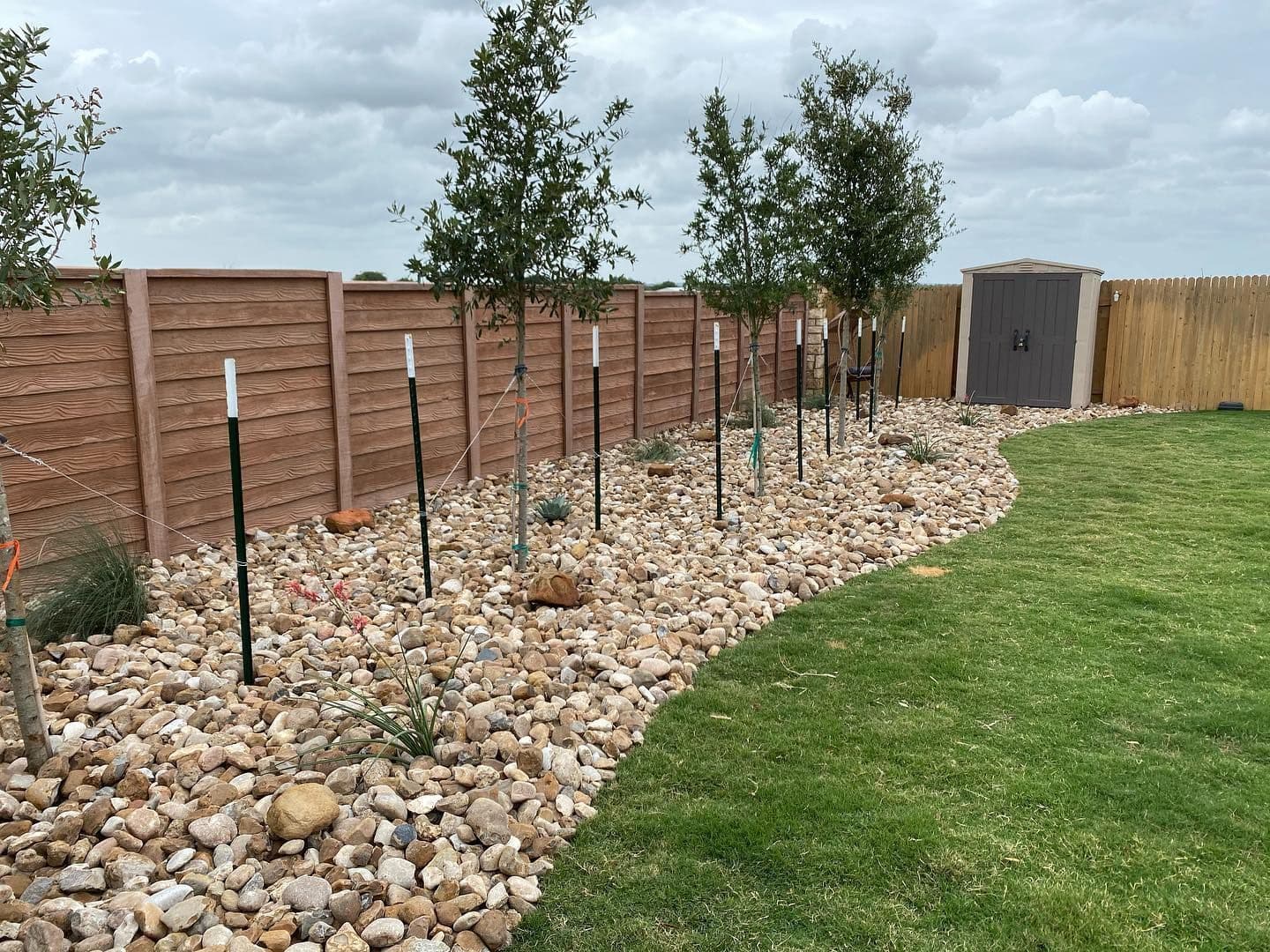
- Create mulch or landscape beds under extremely dense shade: This is often the most sustainable long-term solution.
The goal isn’t to harm the tree—it’s to thoughtfully adjust the environment so grass can survive.
The Role of Root Competition in Lawn Health
Most homeowners assume tree roots grow deep underground and don’t interfere with the lawn. The truth is, around 90% of tree roots grow within the top 12–18 inches of soil—the exact same space your grass relies on for stability and nutrients. This leads to a phenomenon called root competition, where the tree’s wide-spreading root system deprives the grass of:
- Water
- Nutrients
- Soil space
- Oxygen
If you’ve ever noticed dry patches around the base of a tree or struggled with surface roots lifting your lawn, root competition is the culprit.
What You Can Do
To reduce the impact:
- Aerate your lawn regularly: This helps reintroduce oxygen and improves soil structure.
- Add compost or topdressing under tree canopies: Richer soil improves the lawn’s ability to compete.
- Water slowly and deeply: Slow soaking helps moisture penetrate past tree roots and into turf roots.
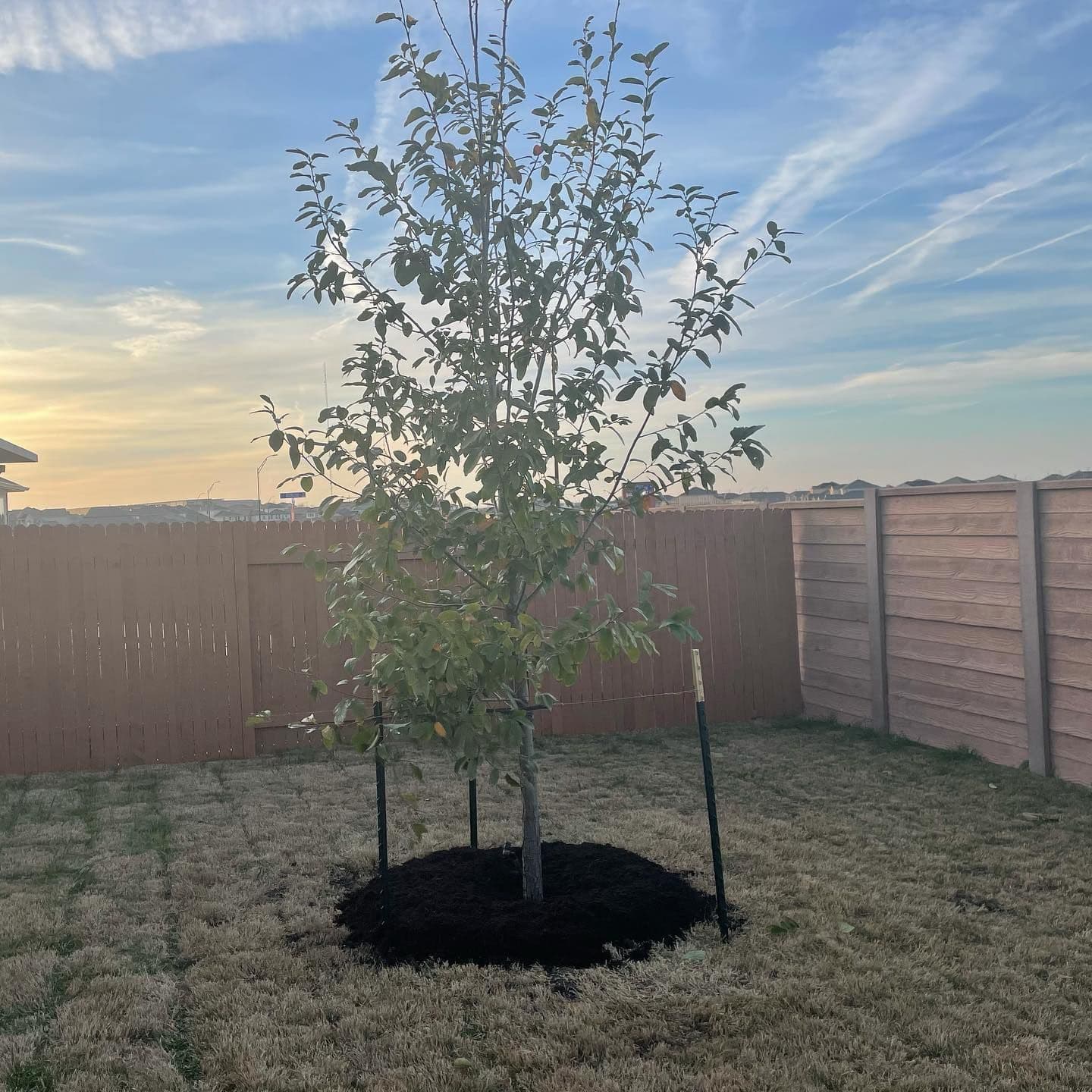
- Avoid piling soil against the tree trunk: Excess soil can suffocate the root flare and harm tree health.
Managing root competition is a major key to maintaining lawn and tree balance—you want both plants to have enough resources without damaging one to support the other.
How Landscape Planning Creates Space for Both Trees and Grass
Homeowners often run into balance issues not because they did anything wrong, but because their yard evolved over time. Trees grow larger, shade increases, roots spread, and the lawn gradually suffers. This is where smart landscape planning comes in. By intentionally designing your yard's layout, you can keep grass lush and trees healthy without either plant taking over.
Smart Planning Ideas
1. Create defined mulch rings around trees: This protects roots, prevents mower damage, and reduces water competition.
2. Install shade-tolerant groundcovers in deeply shaded areas: Plants like Asian jasmine, mondo grass, or shade-loving perennials thrive without full sunlight.
3. Use borders or edging to visually separate lawn from tree zones: This helps create a clean, intentional look instead of the “patchy lawn under a tree” problem.
4. Plan new plantings with mature size in mind: Choosing the right tree for the right location prevents future conflict.
5. Incorporate hardscape when shade becomes too dense: A bench, seating area, or decorative bed can be beautiful and problem-solving.
A well-planned yard not only solves turf problems but also increases curb appeal and reduces long-term maintenance.
How to Keep Grass Healthy Without Harming Your Trees
The goal of balancing grass and trees isn’t to choose one over the other—it's to create harmony. Here’s a practical approach that preserves both:
1. Use Proper Mowing Practices
Never scalp grass under trees. Taller mowing heights (especially for St. Augustine and Zoysia) help grass capture more sunlight in shaded areas.
2. Water More Strategically
Trees take up water faster than grass. Use slow, deep watering techniques to ensure the grass receives enough moisture.
3. Fertilize Carefully
Over-fertilizing can harm trees, while under-fertilizing can starve grass. Use balanced, slow-release products and apply them correctly.
4. Aerate the Soil
Aeration alleviates compaction, increases oxygen flow, and promotes root strength in turf.
5. Prune Trees Regularly
Annual or biannual canopy thinning improves light penetration and keeps trees structurally sound.
6. Add the Right Groundcover in Tough Areas
If grass continues to struggle, consider switching small sections to mulch, shade plants, or decorative stone.
7. Monitor Tree Health
Even well-intended lawn care can stress trees if done improperly. Watch for signs such as leaf drop, bark peeling, or branch dieback.
8. Work With a Professional Lawn Care Company
Experienced professionals know how to diagnose shade issues, manage soil health, avoid root damage, and recommend sustainable solutions.
Local Roots Lawn Maintenance helps homeowners find that exact balance, so neither your grass nor your trees suffers.
When to Call a Professional for Help
Sometimes the problem is bigger than it appears. You should get an expert involved when you notice any of the following:
- Bare patches that never fill in
- Surface roots are spreading into the lawn areas
- Severe thinning under tree canopies
- Mushrooms or fungus around tree bases
- Soil erosion near large roots
- Repeated grass failure despite watering and fertilizing
These subtle signs often mean your yard needs more than simple fertilization or pruning—it needs strategic adjustments to restore balance. A lawn care professional can evaluate soil quality, shade patterns, water flow, tree health, and turf variety to build a personalized plan for your yard.
Bring Balance Back to Your Yard With Local Roots Lawn Maintenance
Healthy trees and healthy lawns don’t have to compete—they can complement each other beautifully with the right care and strategy. Achieving true lawn-and-tree balance means understanding how shade, roots, soil, and maintenance habits work together. It also means knowing when to adjust your approach so both plants get what they need.
At Local Roots Lawn Maintenance, we help homeowners bring harmony back to their yards through expert trimming, soil care, lawn treatment, and proactive planning. If your grass is thinning under trees or your yard never looks as healthy as you'd like, we’re here to help.
Ready to create a yard where both your trees and your grass thrive? Contact Local Roots Lawn Maintenance today to schedule a consultation.