
Summer is when your lawn should be at its best. Warm temperatures and longer days encourage Bermuda, St. Augustine, and Zoysia grass to thrive throughout Georgetown and Central Texas. But it's also the time of year when destructive insects become most active.
Many homeowners mistake pest damage for drought stress or disease, delaying treatment until significant portions of the lawn have been affected. Knowing what to look for can save you time, money, and the frustration of replacing damaged turf.
While many lawn care problems have similar symptoms, understanding the signs of insect activity can help you determine whether it's time to call one of your local lawn care companies for a professional evaluation.
Why Summer Is Prime Time for Lawn Pests
The same warm temperatures that encourage healthy grass growth also create ideal conditions for insects. During the summer months, pests feed aggressively on grass blades, stems, and roots, weakening your lawn when it's already under stress from heat.
Some of the most common lawn pests in Central Texas include:
- Chinch bugs
- Grubs
- Armyworms
- Sod webworms
- Fire ants (which often accompany stressed lawns)
Each pest damages grass differently, but all can leave your yard looking unhealthy if left untreated.
Signs Your Lawn May Have Pest Damage
The sooner you recognize the warning signs, the easier it is to prevent widespread damage.
Brown Patches That Continue to Spread
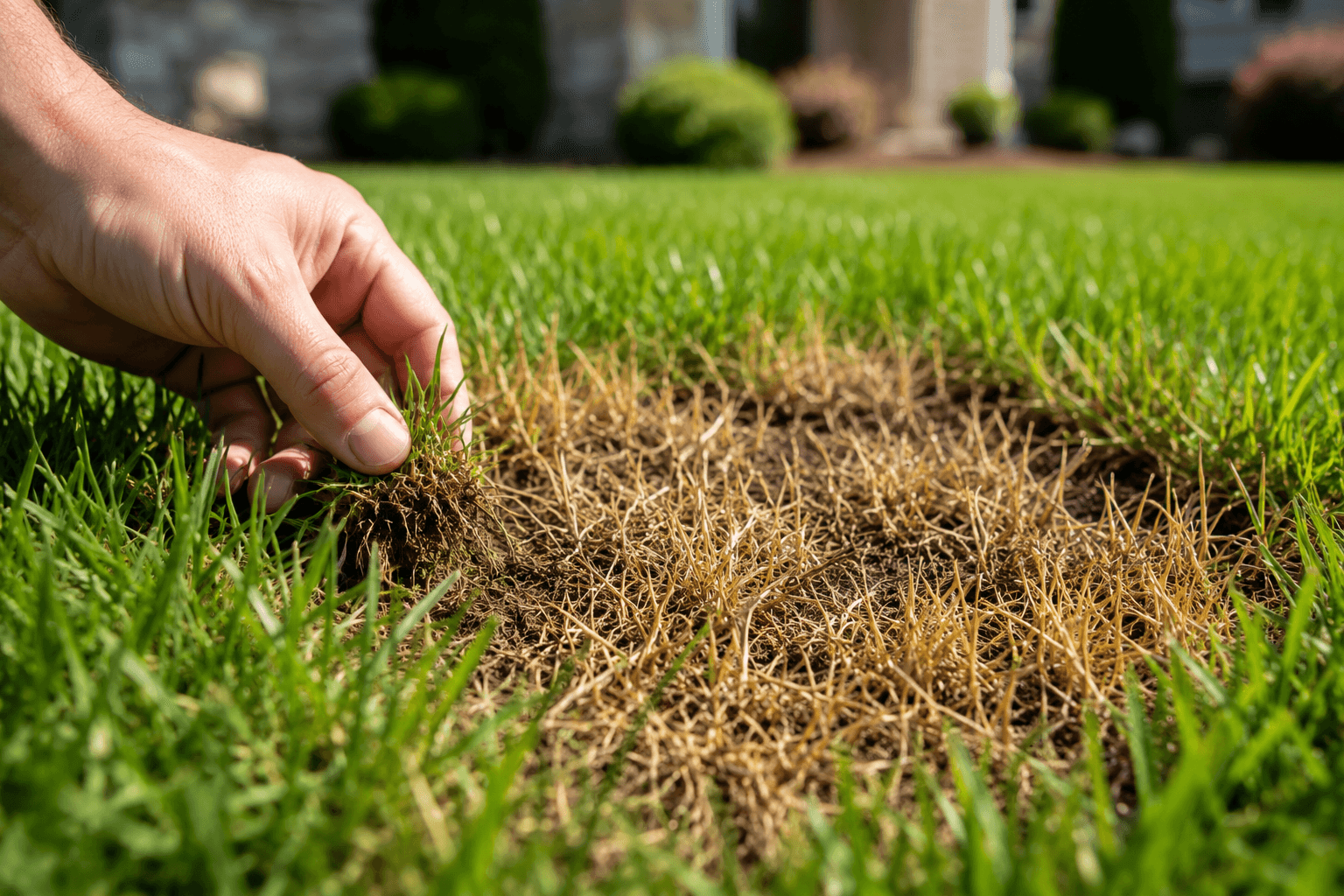
One of the earliest indicators of insect activity is irregular brown patches that continue expanding despite regular watering. Unlike drought stress, which often improves after irrigation or rainfall, pest damage typically worsens over time.
Grass Pulls Up Easily
Healthy grass has a strong root system that anchors it firmly in the soil. If sections of your lawn lift up like loose carpet, insects feeding below the surface may have damaged the roots.
Increased Bird Activity
Birds naturally feed on insects living in your lawn. If you suddenly notice large numbers of birds pecking at your grass every morning, they're often finding something worth eating beneath the surface. While birds themselves aren't causing the damage, they can be a clue that pests are present.
Irregular Dead Spots
Insect damage rarely follows a perfect pattern. Instead, you'll often notice random patches that appear dry, thin, or completely dead while the surrounding grass remains healthy.
Common Summer Lawn Pests in Central Texas
Understanding which insects are active during the summer helps homeowners know what they're dealing with.
Chinch Bugs
Chinch bugs are especially problematic for St. Augustine lawns. They feed by sucking moisture from grass blades while injecting toxins that prevent the grass from transporting water properly. The result is grass that appears drought-stressed even when it's receiving adequate irrigation.
Grubs
Grubs feed underground on grass roots. As root systems disappear, the lawn becomes weak, thin, and easy to pull away from the soil. Severe infestations can require extensive lawn repairs.
Armyworms
Armyworms can destroy large areas of healthy grass surprisingly quickly. These caterpillars feed on grass blades, sometimes leaving entire sections of lawn looking mowed down overnight.
Sod Webworms
Sod webworms chew on grass near the soil surface, causing scattered brown patches that gradually increase in size. Their damage is often mistaken for fungal disease or drought until a closer inspection reveals insect activity.
Don't Confuse Pest Damage with Other Lawn Problems
Not every brown lawn is suffering from insects. Several common lawn issues create similar symptoms, including:
- Heat stress
- Poor irrigation coverage
- Soil compaction
- Fungal diseases
- Nutrient deficiencies
This is one reason experienced lawn care companies begin with a thorough inspection before recommending solutions. Identifying the true cause prevents unnecessary treatments and helps restore your lawn more effectively.
Healthy Lawns Resist Pest Damage Better
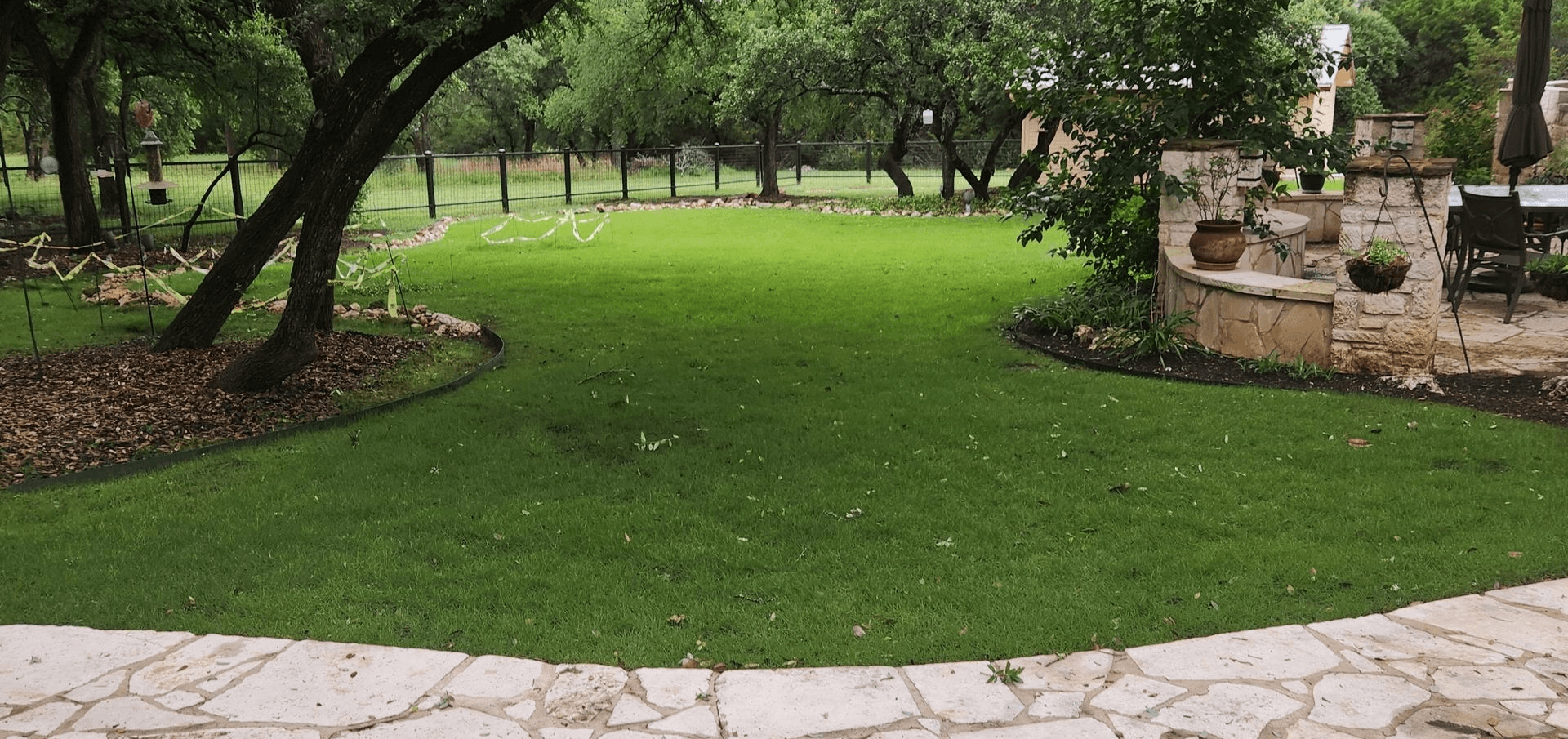
While no lawn is completely immune to insects, healthy turf is far more resilient. A strong lawn recovers faster from minor pest activity and is less likely to experience severe damage.
Good lawn care practices include:
- Mowing at the proper height
- Watering deeply and consistently
- Reducing soil compaction through core aeration
- Improving soil health with organic top dressing
- Removing excessive thatch
- Monitoring for early signs of stress
Healthy roots create healthier grass, making it more difficult for pests to cause lasting damage.
What to Do If You Suspect Pest Damage
If you notice unusual brown patches or thinning grass during the summer, avoid assuming it's simply a lack of water. Instead, you should:
- Inspect the affected area closely.
- Look for insects, larvae, or signs of feeding.
- Check whether the grass pulls away from the soil easily.
- Compare the damaged area with healthier sections of the lawn.
- Contact a professional if you're unsure of the cause.
Catching the problem early often means less damage and faster recovery.
The Importance of Professional Lawn Evaluations
Many homeowners immediately reach for fertilizer when their lawn begins to decline. Unfortunately, fertilizer won't solve an insect infestation. In some cases, it can actually encourage stressed grass to grow when its root system is already compromised.
Experienced lawn care companies know how to distinguish between pest damage, disease, drought stress, and soil issues. A proper diagnosis ensures your lawn receives the care it actually needs instead of wasting time and money on ineffective treatments.
Protect Your Lawn All Summer Long
Summer lawn pests can cause extensive damage before homeowners even realize there's a problem. Regular inspections, proper maintenance, and quick action at the first signs of trouble can make all the difference.
At Local Roots Lawn Maintenance, we help homeowners throughout Georgetown and the surrounding communities keep their lawns healthy with dependable lawn care services designed to strengthen your turf from the ground up. While we don't provide pest control treatments, we can identify common signs of pest-related stress and recommend the next steps while continuing to improve your lawn's overall health through professional maintenance, core aeration, and organic top dressing.
A healthy lawn is your best defense against many common summer problems—and it starts with consistent, professional care. Contact us online or call us at (512) 713‑9097 to schedule lawn care services today!